NO STRESS! The Philly Bop: Community Connection and Healing Through Dance
DATE
Saturday, September 26, 2026
LOCATION
Church of the Advocate
FEATURE
30 Minute Social Dance Event
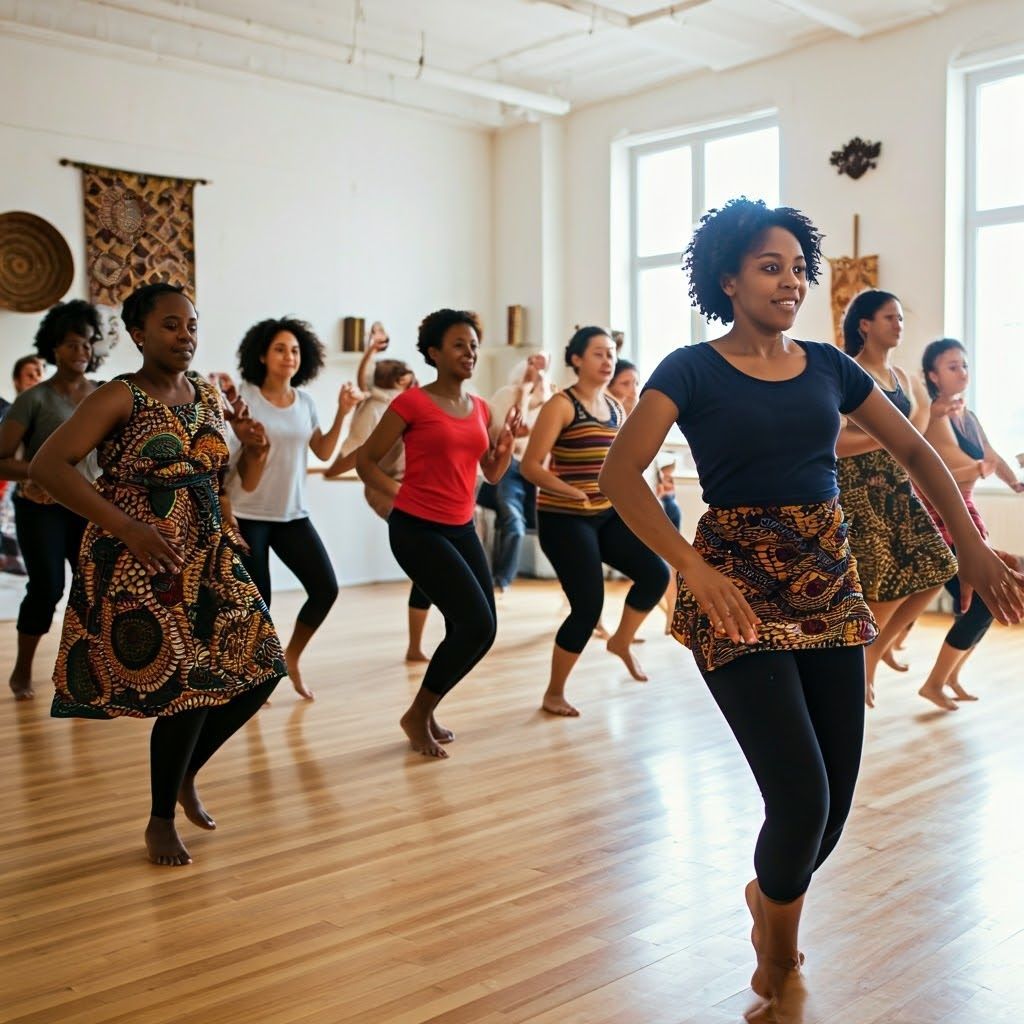
Whether you grew up with the Bop or are stepping into it for the first time, this 30-minute social dance moment welcomes you into the rhythm, memory, and joy of North Philadelphia movement culture.
01 What No Stress Means
The Philly Bop was never merely a performance dance. It took shape on porches, in living rooms, at speakeasies, and at rent parties as a way for neighbors to shake off the week, reconnect through movement, and carry community knowledge in the body.
“No Stress” is an invitation, not a rule. There is no audition, no perfect step, and no one watching to judge. Come as you are, and let the dance meet you there.
02 Why the Philly Bop
There are no ballroom rules here—no fixed procedures that must be followed to do it “right.” The Bop is a social dance, learned through feel, relationship, and participation rather than drilled only by count.
Across Black dance history, related movement traditions have carried different names in different cities, including Hand Dancing. From the Cakewalk, Slow Drag, and Texas Tommy to the Lindy Hop, Swing, Cha-Cha, and the Bop, Black dance has remained central to African American culture, community life, creativity, and social expression. It has also provided a powerful means of confronting political conditions and unjust policies, serving as an expression of protest, resistance, and rebellion.
Taken together, these traditions form a distinct cultural continuum. I therefore claim Jazz Dance as the national dance of African Americans and as the international cultural dance of people of African descent. In this usage, Jazz Dance is not limited to a theatrical technique or entertainment genre; it is the encompassing cultural name for our social, concert, contemporary, traditional, and spiritual dance expressions.
Just as other cultural groups use a collective name to embrace many dances with distinct regional and traditional identities, Jazz Dance can unite the diverse forms created and sustained throughout the African diaspora. Regardless of how these traditions have been appropriated, renamed, or commercialized by people outside our culture, we must reclaim, preserve, define, and celebrate what is historically and culturally our own.
Today we share the North Philadelphia style—the version my uncle Archie performed and taught me in the 1960s. At that time, nearly every section of Philadelphia had its own style. West Philadelphia had one; South Philadelphia had another. Today these local expressions are widely gathered under the name Philly Bop, just as Chicago Stepping became a shared name for a related community tradition.
The dance endured because African American communities passed embodied knowledge from generation to generation. People learned how to move together through observation, participation, and cultural belonging—not through a written rulebook.
03 Connection and Healing Through Dance
Social dance places people in a shared rhythm before they have said a word to one another. That is the connection. The healing comes through what the body can release when it moves freely, in community, without pressure. Stress, grief, and isolation have less room when families and neighbors are Bopping together.
TODAY’S GOAL
To pass the Philly Bop across generations in one room—elders who carried it and young people meeting it for the first time—so it keeps moving forward as it came to us: person to person, not page to page.
ELDERS WHO LIVED IT → EVERYBODY TOGETHER
→ YOUTH WHO WILL KEEP IT GOING
GUEST INSTRUCTORS
Wendy Burton-Elder
Shirl Adelphia
SOCIAL DANCES, INCLUDING THE PHILLY BOP
STEP IN · GRAB A PARTNER · NO STRESS
Dr. Benita Junnette Brown
Spirit of Sankofa Performing Arts Company
The Black Dance Anthology